
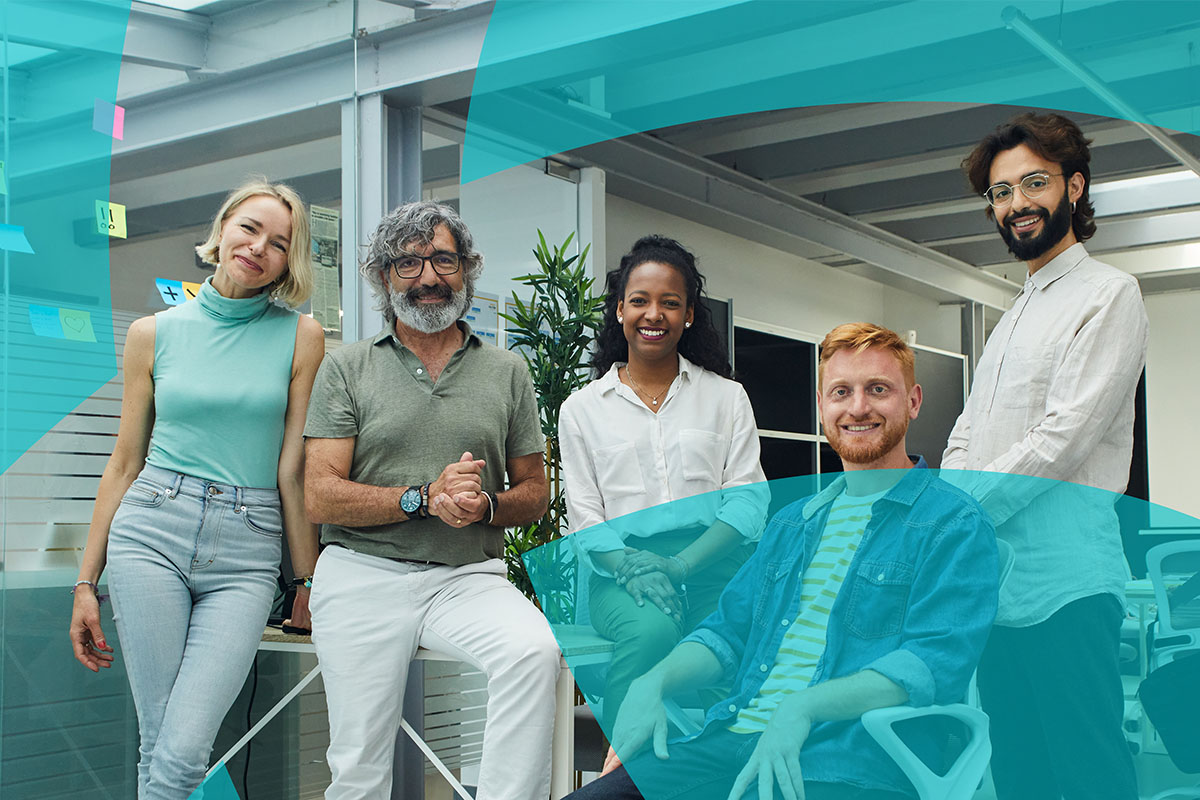
Engaging a multigenerational workforce
For the first time in history, the workplace spans up to five generations. From Baby Boomers to Gen Z, and even the first wave of Gen Alpha interns. Each brings unique perspectives, values, and skills. Together, they form a powerful mix of wisdom and fresh thinking.
But managing and motivating such a diverse group isn’t always simple. True engagement requires more than knowing what makes each generation tick. It’s about creating an environment where everyone feels valued, respected, and inspired to contribute. Here’s how to make it happen.
1. Understanding generational preferences
Every generation grew up in a different world, shaping how they work and what they expect.
- Baby Boomers often value loyalty, structure, and face-to-face connection.
- Gen X prioritises independence and balance.
- Millennials seek growth, feedback, and purpose.
- Gen Z wants flexibility, digital fluency, and social responsibility.
These are helpful trends but they’re not boxes. The real goal is flexibility: designing experiences that respect personal preferences rather than enforcing generational labels.
2. Build two-way mentorship
A multigenerational workforce is a goldmine for shared learning. Pair experience with innovation by encouraging both traditional and reverse mentorship.
- Senior employees can share institutional knowledge and leadership lessons.
- Younger colleagues can offer insights on technology, trends, and digital communication.
This mutual exchange builds respect, connection, and a stronger sense of belonging across age groups.
3. Adapt how you communicate
Different generations have different comfort zones. Some prefer meetings and phone calls, others prefer Slack messages or quick video updates.
Offer variety. Combine in-person touchpoints with digital channels to ensure everyone feels included and informed. The key isn’t choosing one style, it’s adapting to your audience.
4. Recognise people the way they want to be recognised
Recognition matters to everyone, but the delivery matters too.
- Boomers and Gen X: appreciate formal awards, written praise, or private thanks from leaders.
- Millennials and Gen Z: value instant, public recognition, opportunities for visibility, or leadership trust.
Encourage managers to personalise how they celebrate success. Small, authentic gestures can have a big impact.
5. Promote continuous learning
A culture of learning keeps every generation engaged. Offer diverse opportunities from digital training and leadership programmes to skill-sharing sessions.
- Upskilling in digital tools can help older employees stay current.
- Leadership and soft-skills development keeps younger employees growing.
When people see a path forward, they stay motivated, regardless of age.
6. Create a purpose-driven culture
Millennials and Gen Z often lead the conversation on purpose, but meaning matters to everyone.
Highlight your organisation’s mission and impact, through storytelling, community projects, or sustainability initiatives. When people see how their work connects to a greater purpose, they feel united across generations.
7. Embracing flexibility
Flexible working isn’t just for younger employees. It’s become a universal expectation.
Offer options that accommodate life stages and responsibilities, whether that means remote work, adjustable hours, or part-time pathways. Empower teams to choose how they work best and you’ll see productivity rise across all ages.
8. Listen and act on feedback
Engagement is a two-way street. Regularly gather input from all age groups through surveys, focus groups, and informal check-ins.
But listening is only half the job. Acting on what you hear shows employees that their voices matter. The surest way to build loyalty across generations.
The takeaway
Engaging a multigenerational workforce is about celebrating diversity of experience.
When organisations listen, learn, and adapt, they unlock the power of collective wisdom: older employees share depth, younger ones bring dynamism, and together they build a workplace where everyone thrives.
That’s how you turn age diversity into your organisation’s competitive advantage.



How to build a workplace culture that works for everyone
Discover what truly shapes workplace culture and how you can design one that works for everyone. Pra

The power of culture in driving organisational success
Culture isn’t just part of your strategy. It is your strategy. Here’s how to shape a culture tha

How internal comms shapes the employee experience
Employee experience doesn’t just happen. It’s communicated. Here’s how powerful internal comms
Leave a Reply